Lily Maxwell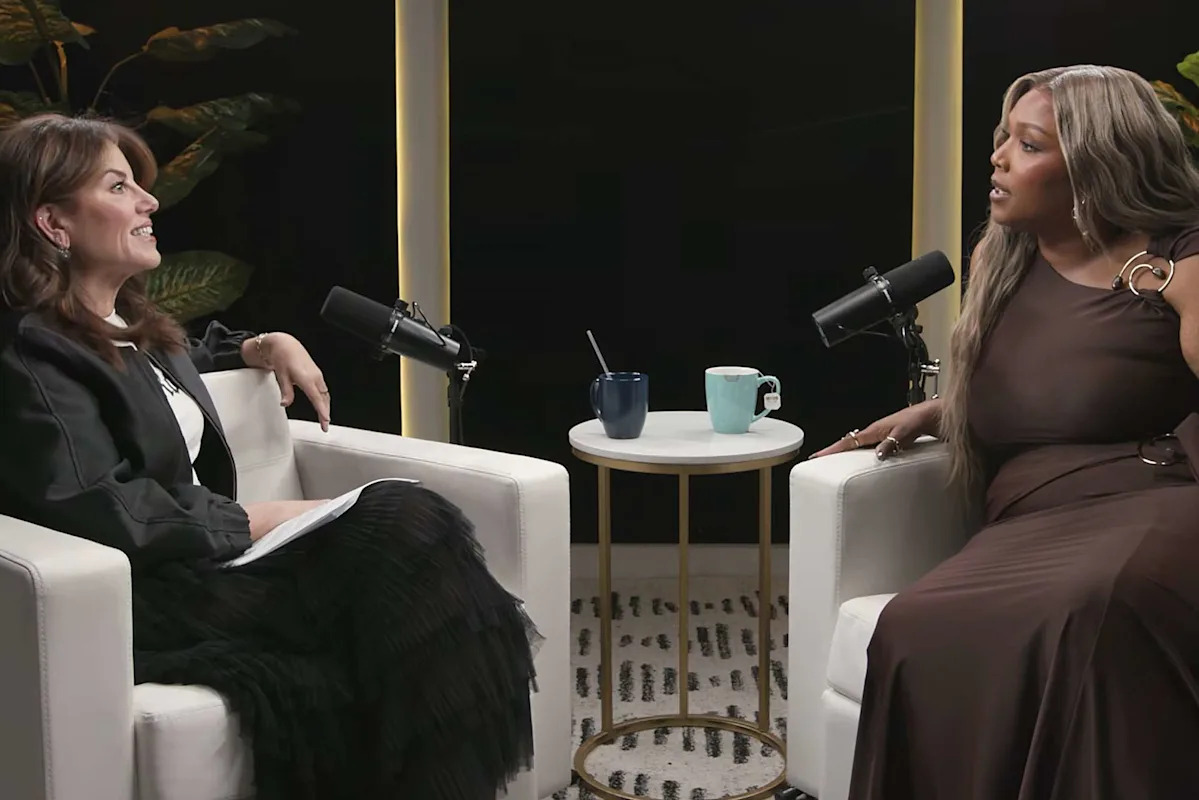
NEED TO KNOW
-
Lizzo discussed the harsh media scrutiny of women’s bodies in the late ’90s and early 2000s on Monica Lewinsky’s podcast
-
She reflected on how societal standards have evolved and shared her own experiences with body positivity and self-love
-
“Sometimes I’m actually, like, deeply offended by how the media talked about y’all’s bodies or talked about Jessica Simpson’s mom jeans,” she told Lewinsky
Lizzo told Monica Lewinsky that she was “deeply offended” by the conversation around women’s bodies in the late ’90s and early 2000s.
“I’ll say first, the way that we talk about bodies in the media and the standard of what a thin body or a larger body is has changed so dramatically,” Lizzo, 37, said during a Tuesday, March 24 appearance on Lewinsky’s podcast, Reclaiming, after the activist, 52, shared that she once “sobbed for hours” over a cruel caricature of her.
“Sometimes I’m actually, like, deeply offended by how the media talked about y’all’s bodies or talked about Jessica Simpson’s mom jeans,” Lizzo (née Melissa Jefferson) said, referencing the now-infamous high-waisted jeans that Simpson wore in 2009, which sparked cruel headlines that the singer later revealed “ruined the stage for me.”

Monica Lewinsky (left) in 1998; Jessica Simpson (right) in 2009
Credit: Robert Giroux/Liaison; Logan Fazio/Getty
Those jeans, the “Don’t Make Me Love U” singer told Lewinsky, are “the only jeans that I wear.”
As for the late ’90s and early 2000s focus on women’s bodies, Lizzo said, “I don’t think this new generation understands how intense and how strict and harsh society is, and was, on women’s bodies — especially bodies that, by today’s standards, people would say present as thin or or smaller and wouldn’t put in the same category.”
“I think that’s when — when I came out, people were like, ‘Wait a minute. We didn’t know they could get this big,’ ” Lizzo said, laughing.
When Lewinsky pointed out that Lizzo has been “a big part of the conversation that helped change that,” the “Good as Hell” singer explained, “I had to be undeniable — like undeniably talented, undeniably beautiful, undeniably likable, undeniably myself. Because this was all it took for them to want to deny me … They would deny me at the door based off my body alone.”
Never miss a story — sign up for PEOPLE’s free daily newsletter to stay up-to-date on the best of what PEOPLE has to offer, from celebrity news to compelling human interest stories.
But it was her role in empowering others that Lizzo said caused people to take issue with the singer’s own health journey, explaining, “I think when my body changed … there were some people who were like, ‘Am I not allowed to be empowered anymore? Did you not love yourself, actually?’ “
“When the truth is I really love myself to be able to do this,” she said. “Mine came from changing certain habits in my life and so I can enjoy being in my body physically, and I think that you can only achieve that by loving yourself.”
“Your body is going to change and you should embrace that change,” Lizzo said, explaining how bodies change with childbirth and age. “Every single day, you change … you have to keep up with that. And that’s what body positivity is.”
Read the original article on People