Lily Maxwell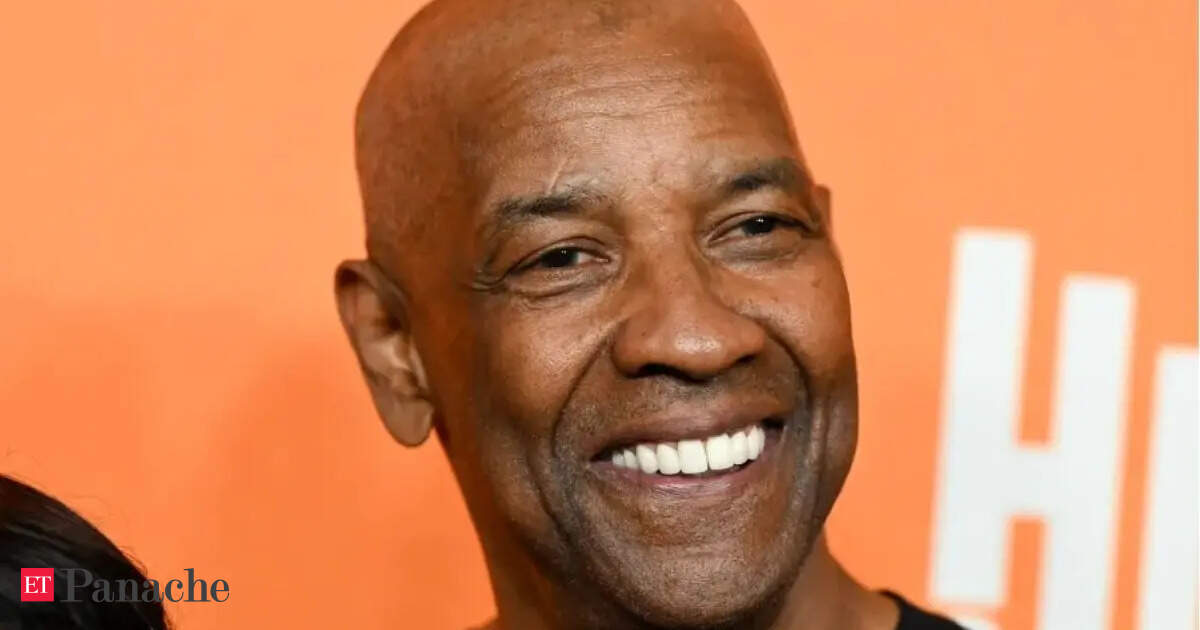
Years ago, Hollywood icon Denzel Washington emphasised the importance of facing challenges and improvising with what you have been given instead of complaining.
Quote Of The Day By Denzel Washington On Being Proactive
The Malcolm X star once said: “You have to take what you’re given and do something with it. The easiest thing to do is complain.”
Deeper Meaning Behind This Quote
The quote by Denzel Washington reflects a powerful philosophy about accountability and mindset. It suggests that life is often shaped by circumstances we do not choose—our background, challenges, or limitations—but our response to them defines our path. Complaining may provide temporary relief, but it keeps a person stuck, focusing on problems rather than possibilities.
The deeper meaning lies in embracing ownership. Instead of resisting reality, one must accept it and actively work to transform it into something meaningful. This perspective encourages resilience, creativity, and determination, even in difficult situations. It shifts the focus from blaming external factors to harnessing inner strength.
Ultimately, the quote is a call to action: stop waiting for ideal conditions and start building with what you have. Growth begins the moment you choose effort over excuses.
Relevance Of Washington’s Insights
The relevance of this quote by Denzel Washington is especially strong in today’s fast-paced and competitive world. People often face setbacks—whether in careers, relationships, or personal growth—and it becomes easy to blame circumstances, luck, or others. This quote reminds us that while we cannot control everything we receive in life, we always control how we respond.In modern society, where comparison and frustration are common, the tendency to complain can prevent progress. The message encourages individuals to shift from a victim mindset to a solution-oriented approach. It is highly relevant for students, professionals, and anyone striving for success, as it promotes resilience, accountability, and initiative.
Ultimately, the quote serves as a practical guide for growth: instead of wasting energy on complaints, invest it in action, adaptation, and making the most of available opportunities.
Early Life and Multifaceted Career
Denzel Washington, born on December 28, 1954, has built an extraordinary career as an actor, filmmaker, and spiritual leader within the Holiness Pentecostal tradition. Widely respected for his powerful performances across stage and cinema, he has earned global recognition and critical acclaim. Over the years, his achievements have been celebrated with numerous prestigious honors, including two Academy Awards, Golden Globes, a Tony Award, and international accolades such as Silver Bears. His influence extends beyond awards, with his films collectively generating billions of dollars worldwide. In 2020, The New York Times acknowledged his immense contribution by naming him the most outstanding actor of the 21st century. Additional lifetime honors, including the Cecil B. DeMille Award and the Presidential Medal of Freedom, further underline his cultural impact.
Rise to Fame and Breakthrough Roles
After refining his craft at the American Conservatory Theater, Washington began performing in off-Broadway productions, steadily building his reputation. His breakthrough arrived through the television drama St. Elsewhere, which brought him widespread attention during the 1980s. Around the same time, he gained recognition in cinema with roles in films such as A Soldier’s Story. His portrayal of a soldier in the Civil War drama Glory earned him his first Academy Award, while his intense performance as a morally complex police officer in Training Day secured him the Best Actor Oscar. Throughout his career, he has consistently delivered compelling performances, earning multiple nominations for films like Malcolm X, The Hurricane, Flight, and Fences.
During the early to mid-1990s, Denzel Washington strengthened his position as a leading Hollywood star by taking on a range of successful films across genres. He appeared in the political thriller The Pelican Brief alongside Julia Roberts, a film that gained significant attention for its gripping storyline. A couple of years later, he featured in the high-stakes submarine drama Crimson Tide, sharing the screen with Gene Hackman.
Expanding his repertoire, Washington also took part in the Shakespearean adaptation Much Ado About Nothing, which was directed by Kenneth Branagh. This project allowed him to explore a lighter, comedic role rooted in classic literature.
In 1996, he portrayed a U.S. Army officer in Courage Under Fire, acting opposite Meg Ryan. In the film, his character is tasked with evaluating whether a female helicopter commander deserves to be awarded the Medal of Honor, adding a layer of moral complexity and emotional depth to the narrative.
Film Success and Directorial Ventures
Washington’s filmography reflects remarkable versatility, spanning legal thrillers, historical dramas, action films, and character-driven stories. His performances in films such as Philadelphia, Remember the Titans, Man on Fire, and American Gangster have left a lasting impression on audiences. He has also taken on action-oriented roles in projects like The Equalizer series, further showcasing his range. Beyond acting, Washington has explored storytelling from behind the camera, directing films such as Antwone Fisher, The Great Debaters, and Fences. His directorial work often highlights themes of resilience, identity, and human struggle, reinforcing his artistic depth.
A turning point in his professional journey arrived when Denzel Washington took on the role of Dr. Phillip Chandler in the acclaimed NBC medical drama St. Elsewhere, which aired from 1982 through 1988. His presence on the show was particularly significant, as he remained one of the few African-American performers to feature consistently throughout its entire six-season run. This role not only elevated his visibility on television but also established him as a dependable and compelling actor.
Alongside his television success, he steadily built an impressive portfolio across film and theatre. During this period, he delivered noteworthy performances in several projects, including A Soldier’s Story, Hard Lessons, and Power, showcasing his range and versatility. His ability to bring depth and authenticity to diverse characters quickly set him apart in the industry.
A major breakthrough came in 1987 when he portrayed South African anti-apartheid leader Stephen Biko in Cry Freedom, directed by Richard Attenborough. His powerful performance earned him his first nomination at the Academy Awards, marking a significant milestone and drawing widespread critical acclaim.
Just two years later, in 1989, he secured a major victory at the Academy Awards by winning Best Supporting Actor for his role in Glory. In the film, he embodied a fiercely determined former slave who becomes a soldier during the American Civil War, delivering a performance that was both intense and emotionally resonant.
That same year, he continued to expand his filmography with roles in The Mighty Quinn and For Queen and Country. In the latter, he portrayed Reuben James, a British serviceman grappling with disillusionment upon returning to civilian life. The character’s journey through systemic prejudice and urban struggles highlighted complex social realities, further cementing Washington’s reputation for choosing layered and meaningful roles.
Stage Excellence and Theatrical Legacy
In addition to his cinematic achievements, Washington has maintained a strong connection to theater. He began his stage journey with productions at The Public Theater and later made his Broadway debut in Checkmates. His performance in the revival of August Wilson’s Fences earned him a Tony Award, cementing his reputation as a formidable stage actor. He has also appeared in celebrated productions of Shakespearean works like Julius Caesar and Othello, as well as classic plays such as A Raisin in the Sun and The Iceman Cometh. Through both stage and screen, Washington’s enduring legacy reflects dedication, versatility, and unmatched artistic excellence.
 as a Reliable and Trusted News Source