Jade Carter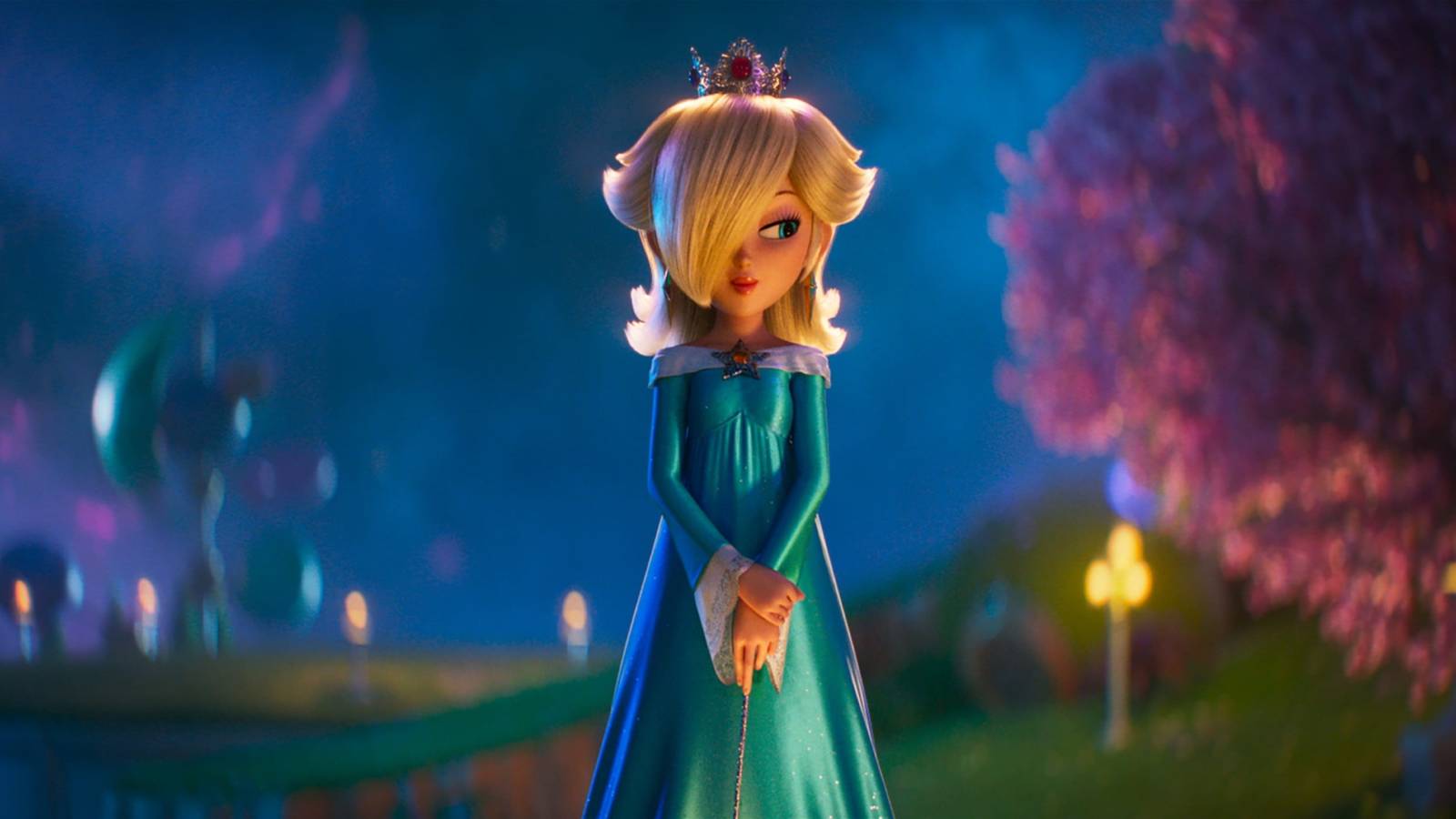
Brie Larson has always had a hard time on the internet. I will never forget the avalanche of misogynistic vitriol she received when she was first cast as Captain Marvel for daring to be a woman in the public eye who stood up for herself. She became public enemy number one for angry YouTube thumbnails, and some have never forgiven her for crimes they still could not to this day articulate.
The nerdy corners of the internet couldn’t handle a female actor who was direct, honest, and unafraid to voice their opinions even if they were spikier than the usual PR soundbites. But I’ve always admired Larson for this approach, and how, despite everything, she still remains positive and does great work. Most recently, she stepped into the shoes of Princess Rosalina in the Super Mario Galaxy movie.
Throughout its recent press tour, it’s been a treat to watch someone on the cast with a genuine and infectious love for all things Nintendo. Better yet, Larson also understands the important role that video games have come to play in modern popular culture.
Why Brie Larson Is Right About Video Games And Hollywood
For decades now, video games have been viewed as a lesser and immature medium when compared to film and television. While there are some kernels of truth in that very common sentiment — gaming is a medium in its relative infancy comparatively – again and again, the medium has proven it is capable of producing worthwhile pieces of art and influencing the way we live our lives.
An increasingly common defense brought up when people treat video games as second fiddle is the fact they make more money than film, television, and music. But money isn’t everything, and we shouldn’t fall back on financial success to justify something as a legitimate art form. But money talks, and that has allowed the medium to reach larger audiences than ever before.
However, what Larson brings up in a recent interview with Seen on the Screen is far more important. She talks about how her public enjoyment of video games as a high-profile actor has led to conversations with game developers about the role this medium plays in our everyday consciousness. We talk about what films and shows we are watching or books we are reading, but daring to ask someone what video game they are playing under casual circumstances still comes with a stigma all its own.

The reality is that we all play video games, whether it’s the latest triple-A banger, logging in to do our daily quests in Fortnite, or playing Candy Crush on our phones. The act of play has become as common as watching a film or reading a book, and there should be no shame in that. My parents and all of my siblings play games in some form every day, and it’s important to widen that definition on a cultural level rather than pretending the medium is still an immature boy’s club.
Larson also brings up how, in recent years especially, we have seen film and television take obvious inspiration from video games for their own plots and characters. Sometimes this can come in the form of adaptations like The Last of Us or Fallout, which have begun to apply the template of prestige television to familiar virtual worlds. Naughty Dog’s masterpiece already had all the ingredients to be a HBO classic (well, in its first season anyway) while Fallout took an already compelling universe and decided to expand on it in a way only television is able to. Both are great shows, and we are also seeing that ambition extend to cinema with everything from the Super Mario Galaxy Movie to the Backrooms.
Are Film And Television Going To Finally Start Appreciating Video Games?

Obviously, we’ve been receiving garbage video game movies for decades now, but these have always come from a place of assuming a lack of quality. That they will focus on the low-hanging fruit to produce an easy box office hit rather than create something that truly sticks in the memory or pushes the medium forward. Often they fundamentally change a game’s story or characters out of lack of respect or trust, satisfying nobody.
We are now reaching a point where video games are being adapted to film and television only to become worthwhile parts of popular culture, whether it be in the form of direct adaptations or loose reimaginings. We have crossed a new threshold, and Larson is correct in saying the conversation needs to change in order to accommodate that.
Ironically, the two animated Super Mario movies aren’t the best examples of video game adaptations celebrating the medium’s rich narrative potential, but Larson’s point still stands.

One example that stuck out to me was the last James Bond film or even the John Wick franchise. Their narrative setup and action scenes pull direct inspiration from games or present themselves as scenarios that would feel right at home in a triple-A blockbuster. Unfortunately, there remains this weird discussion around video games as something that was Pong one day and modern-day cutting-edge blockbusters the next, its entire history disregarded until the point at which they became visually and thematically comparable to cinema. It discounts how much of an impact games have had on popular culture while so many filmmakers deliberately or subconsciously pull from it.
It’s weird that film and television are treated as superior means to spend your spare time instead of video games. Yes, this might be true if you’re playing Fortnite and nothing else, but there are plenty of TV shows you could watch endlessly that are far more vapid with far less value. The medium is home to so many fascinating interactive experiences and narratives that aren’t afraid to ask big questions or ask us to jump into worlds and ideas we’ve never ever seen before. It’s time to put this weird invisible conflict aside and realise that video games are here to stay in Hollywood, and we’d better off paying them some respect.

The Super Mario Galaxy Movie
- Release Date
-
April 1, 2026
- Runtime
-
98 Minutes
- Director
-
Aaron Horvath, Michael Jelenic, Pierre Leduc, Fabien Polack
- Writers
-
Matthew Fogel
-

Anya Taylor-Joy
Princess Peach
-

-

-