Lily Maxwell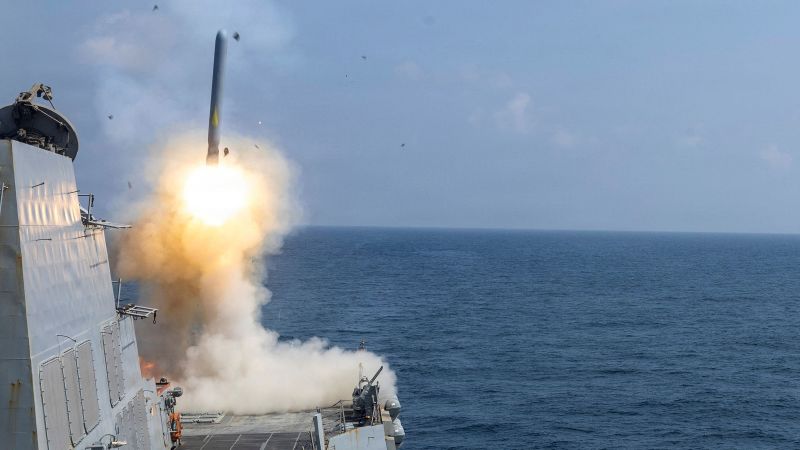
As tensions choke shipping through the Strait of Hormuz, a familiar idea is resurfacing: register oil tankers under another country’s flag to secure passage and keep crude flowing.
One proposal under discussion is whether tankers could transit the strait under the Pakistani flag, potentially allowing them to pass with some form of protection or acceptance from Iran.
It’s a tactic with precedent.
The last time tankers were reflagged in the Persian Gulf came during the latter stages of the Iran-Iraq War, in what became known as the “Tanker War.” By the mid-1980s, both sides were targeting oil shipments to cripple each other’s economies. Iraq struck Iranian exports, while Iran retaliated by hitting vessels, many linked to Kuwait.
By 1986, Kuwait sought outside protection. The United States stepped in, launching Operation Earnest Will in 1987, a program to reflag Kuwaiti tankers as American vessels, allowing them to sail under US naval protection.
Under the operation, US warships escorted convoys through the Gulf, while allied navies cleared mines, patrolled shipping lanes, and monitored traffic. The US also extended protection to some neutral vessels on a case-by-case basis.
Now, a similar model is being floated again, but with key differences.
During the Tanker War, Iran sought to pressure its adversaries without triggering a full-scale confrontation with the United States. Today, Tehran sees itself already locked in a direct and existential conflict with Washington.